
Style
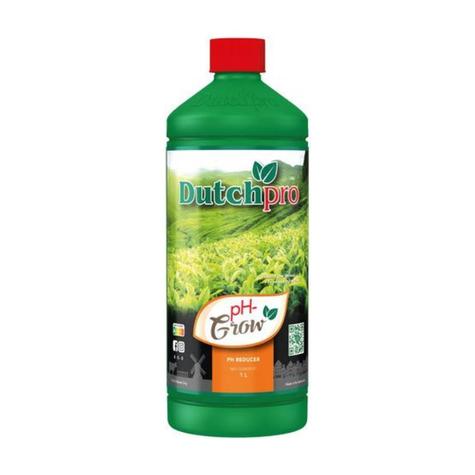
Dutch Pro PH - GROW
Shopping from outside our current PriceShaker markets?We don't yet have a local PriceShaker price or confirmed shipping for your country. You can still try the retailer directly; availability, currency, delivery and the final price will be confirmed by the retailer.
BEST LIVE PRICE£6.92Doctor Blooms · checked 5 days ago
PriceShakerEMAIL PRICE ALERT

Choose how often PriceShaker checks. We only message when the observed price actually moves.

PRICE HISTORY

Price trend

PriceShaker is still collecting enough observations to draw a meaningful chart.
COMPARE RETAILERS

Cheapest eligible offers

Doctor Blooms
Checked 5 days ago
£6.92

Affiliate commission never affects price ranking.

Dutch Pro PH - GROW

Dutch Pro pH- Grow Dutch Pro's pH- Grow is commonly used for For reducing the pH value / level during the growth stadium, by adding small amounts of pH- Grow till the desired level is reached. Corrosive, contains 38% nitric acid. Causes burn.

Do not inhale fumes. Do not take internally. Recommended pH level is 5.8.

Available: 1L and 5L  Keep out of reach of children.  In case of contact with eyes, immediately rinse eyes out with plenty of water and seek medical attention. Wear protective clothing. HOW TO USE The pH of plants may change over the course of their lives.

Price integrityNeeds more history · 55/100PriceShaker found no major pricing-integrity warning in the data currently available.
Shake Score 50/100
PS Verified Saving Learning
Retailer claimed saving —
Historical low£6.92
Building price historyPriceShaker is collecting independent observations before issuing a verified buy/wait verdict.
PriceShakerEMAIL PRICE ALERT

Tell PriceShaker how often to check. We only message you when the observed price actually moves up or down.

PRICESHAKER PRODUCT SNAPSHOT

Live price evidence for Dutch Pro PH - GROW

PriceShaker compares eligible live retailer offers in your selected market and keeps retailer-supplied claims separate from prices we have independently observed over time.

ProductDutch Pro PH - GROWMore Dutchpro prices →
Live comparison1 retailer from £6.92Lowest eligible current price shown first.
Product identifiersCatalogue matchedMatched from available product evidence.
FreshnessChecked 5 days agoFinal price, delivery and stock are confirmed at retailer checkout.
PRODUCT DETAILS

About this product

01
OverviewWhat matters most about this product

Dutch Pro pH- Grow Dutch Pro's pH- Grow is commonly used for For reducing the pH value / level during the growth stadium, by adding small amounts of pH- Grow till the desired level is reached. Corrosive, contains 38% nitric acid. Causes burn.

Do not inhale fumes. Do not take internally. Recommended pH level is 5.8.

Available: 1L and 5L  Keep out of reach of children.  In case of contact with eyes, immediately rinse eyes out with plenty of water and seek medical attention. Wear protective clothing. HOW TO USE The pH of plants may change over the course of their lives.

Plants can stop receiving micro- and macro nutrients if the pH is between 5.5 to 6.5. Even if the solution is sufficient, this could cause deficiency symptoms. The pH level must always be monitored to ensure plants get all the micro and macro nutrients they need.   Each time, adjust the pH a bit.

It is the most efficient way to do it. To begin, dissolve some pH (1ml), in a container that can hold approximately 1 litre. Next, gradually add water to the container.

Once the desired pH is reached, check the pH of each addition.   SAFETY NOTE Both pH down as well as pH up are extremely aggressive liquids that can cause severe corrosive effects on many materials. Extreme caution should be used when handling aggressive liquids. Contact with skin may require medical attention.

We recommend safety glasses and gloves when working with liquids that are strong. Wash any items thoroughly after using harsh liquids.   Mix pH up and pH down. Although pH up is strong and acidic, pH down may be more alkaline.

The elements in neutralization reactions may combine to make salt or water. Exothermic reactions can produce a lot of heat that could cause an explosion.